City building strategy games for PC demand more than just placing roads and zoning districts. The best ones force you to balance resources, anticipate disasters, manage citizen happiness, and adapt to evolving challenges—all while shaping a skyline that reflects your vision. These games aren’t just digital sandboxes; they’re intricate systems that test logic, patience, and long-term planning. If your idea of fun involves optimizing traffic flow at 2 a.m. or finally cracking a housing shortage after three failed policies, you’re in the right place.
The genre has evolved from simple top-down planners to complex simulations with layered economies, dynamic populations, and AI-driven citizen behavior. Whether you're into historical realism, sci-fi expansion, or abstract efficiency, there’s a city builder tailored to your playstyle. Below, we break down the most compelling city building strategy games available on PC today—complete with insights on what makes each stand out and where they might let you down.
---
**Why City Building Games Still
Dominate Strategy Genres**
City builders occupy a unique corner of strategy gaming. Unlike military-focused RTS titles, they emphasize growth, sustainability, and indirect control. You don’t command units—you shape environments, influence behavior, and react to emergent problems.
What keeps players hooked: - Long-term progression: Watching a dirt-road settlement evolve into a metropolis is deeply rewarding. - Problem-solving depth: Traffic congestion, pollution, power shortages—each is a puzzle with multiple solutions. - Creative expression: Landscaping, district design, and architectural themes let players stamp their identity on virtual cities.
But not all city builders deliver equally. The best combine simulation accuracy with intuitive interfaces and meaningful consequences. Poorly balanced economies or unrealistic citizen AI can break immersion fast. That’s why choosing the right title matters.
---
**Top 6 City Building Strategy
Games for PC**
Below is a curated list of standout titles, each offering a distinct approach to urban development. These are ranked based on depth, replayability, community support, and overall polish.
| Game | Setting | Key Strength | Steam Rating |
|---|---|---|---|
| Cities: Skylines II | Modern | Unmatched simulation depth | Very Positive (Early Access) |
| Tropico 6 | Caribbean dictatorship | Satirical politics + economy | Very Positive |
| Surviving the Aftermath | Post-apocalyptic | Survival mechanics + base building | Mostly Positive |
| Frostpunk | Alternate 19th century | Moral decisions under pressure | Overwhelmingly Positive |
| Anno 1800 | Industrial era | Production chains & diplomacy | Very Positive |
| Banished | Medieval survival | Resource scarcity focus | Overwhelmingly Positive |
Let’s explore each in detail.
---
**1. Cities: Skylines II – The Modern
Standard**
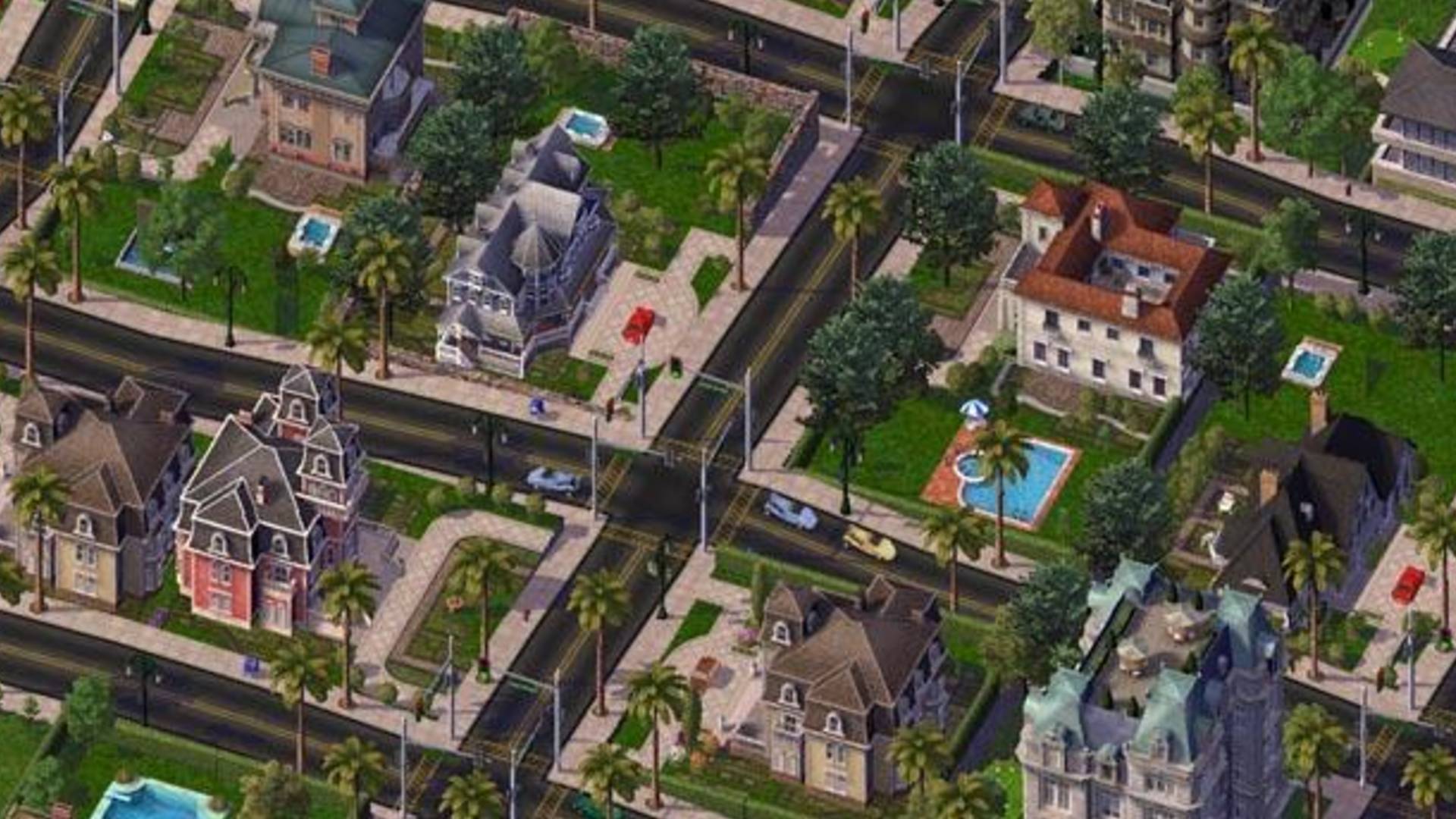
Developed by Colossal Order, Cities: Skylines II is the spiritual successor to the genre-defining original. It pushes the limits of what a city simulator can do with real-time economic modeling, agent-based citizens (over 1 million simulated lives), and dynamic weather affecting infrastructure.
What works: - Deep simulation: Every citizen has a home, job, and routine. Traffic AI recalculates paths based on congestion. - Mod support: Steam Workshop integration ensures longevity and customization. - Robust zoning tools: Mix residential, commercial, and industrial zones with granular control.
Drawbacks: - High-end hardware required. Many players report performance issues even on strong rigs. - Some promised features (like full disaster management) are still in development.
Pro tip: Start small. Jumping into a 100,000-population city too early overwhelms the economy. Build incrementally, fund public transit early, and monitor your budget like a CFO.
---
**2. Tropico 6 –
Dictatorship with Flair**
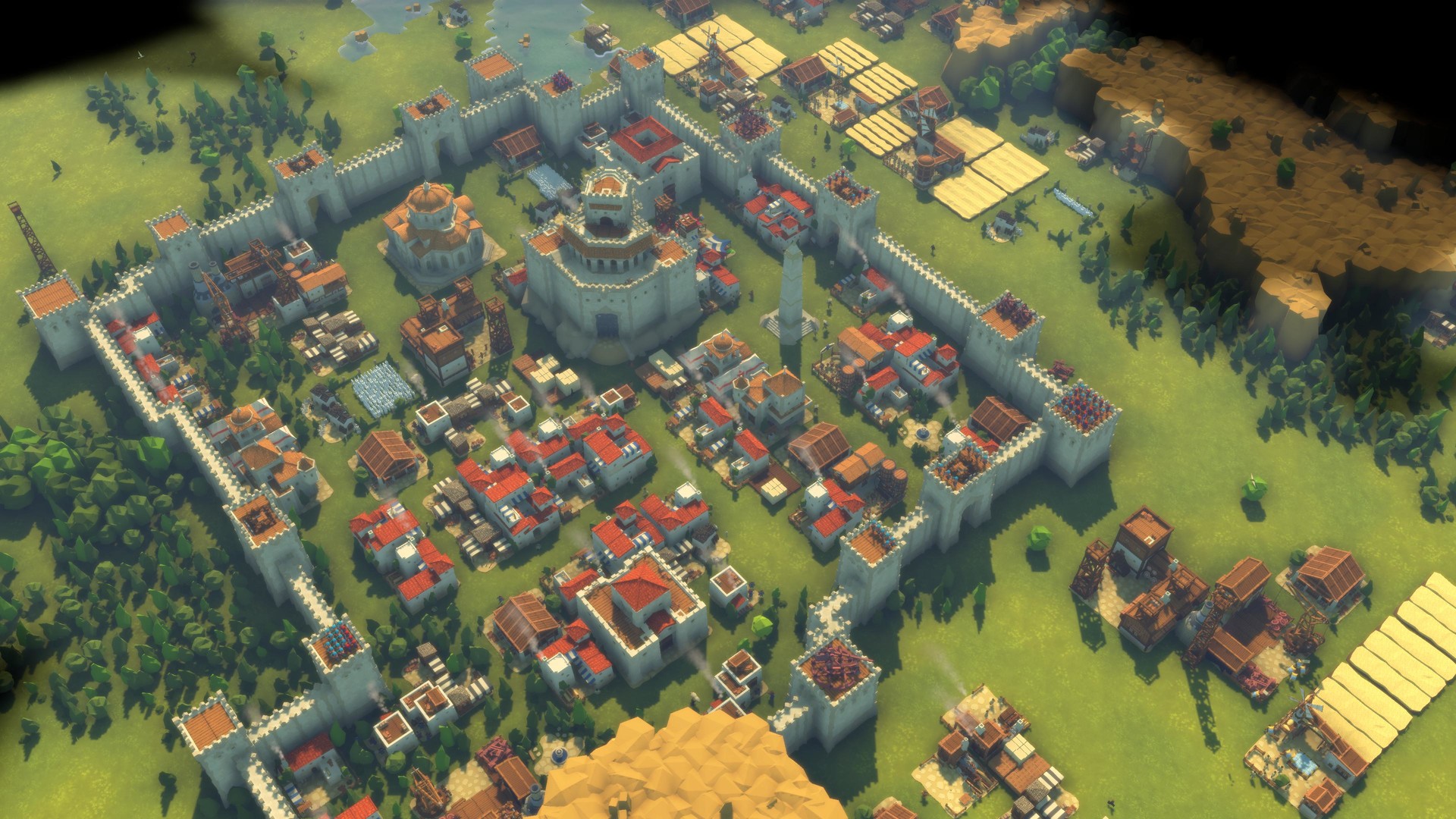
In Tropico 6, you play as “El Presidente,” ruling a fictional Caribbean island through charisma, corruption, or cannon fire. While city building is central, the game layers in political strategy, foreign relations, and satirical storytelling.
Standout features: - Faction management: Keep militarists, capitalists, and environmentalists happy—or crush them. - Island-hopping progression: Expand your nation across multiple islands connected by bridges and ferries. - Historical eras: Move from colonial times to space-age futurism, each altering available tech and buildings.
Caveats: - Economic model can feel arcade-like. Inflation and trade are abstracted more than in hardcore sims. - Late-game micromanagement spikes, especially with multiple islands.
Use propaganda buildings early to reduce unrest. And don’t ignore tourism—it’s one of the most reliable late-game income sources.
---
**3. Frostpunk – Survival Meets
Urban Planning**
Frostpunk isn’t just about building—it’s about surviving. Set in a frozen alternate 1890s, your city revolves around a massive generator that provides heat. When resources run low and morale plummets, you make brutal decisions: institute child labor? Enforce strict laws? Sacrifice the weak?
Why it stands out: - Moral complexity: Laws and edicts directly impact citizen well-being and rebellion risk. - Disaster pacing: Storms, supply shortages, and disease create relentless pressure. - Narrative integration: City layout affects story outcomes. Where you place hospitals or preachers matters.
Limitations: - Less focus on aesthetics. Your city will look like a grim industrial camp—and that’s the point. - Limited post-victory gameplay. Once you survive the designated days, replay value drops.
Strategy insight: Optimize research paths based on your playstyle. If you want a peaceful city, prioritize hospitals and schools. If you’re leaning authoritarian, boost surveillance and workhouses early.
---
**4. Anno 1800 – Industrial-Era
Empire Builder**
From Ubisoft, Anno 1800 blends city building with colony management and naval trade. You construct interconnected cities across multiple islands, manage worker satisfaction through evolving needs, and engage in diplomacy or warfare with rival factions.
Key strengths: - Production chain depth: Turn raw coal into steel, then factories, then luxury goods—each step requiring logistics. - Multiplayer and co-op: Rare in the genre, allowing collaborative city development. - Visual polish: One of the best-looking city builders, with animated workers and day-night cycles.
Downsides: - Steep learning curve. New players often struggle with supply-demand mismatches. - AI pathfinding for ships can be inefficient, requiring manual routing.
Workflow tip: Use the “Production Chain” overlay religiously. It highlights bottlenecks before they cause strikes or unemployment.
---
**5. Surviving the Aftermath – Post-Apocalyptic
Reconstruction**
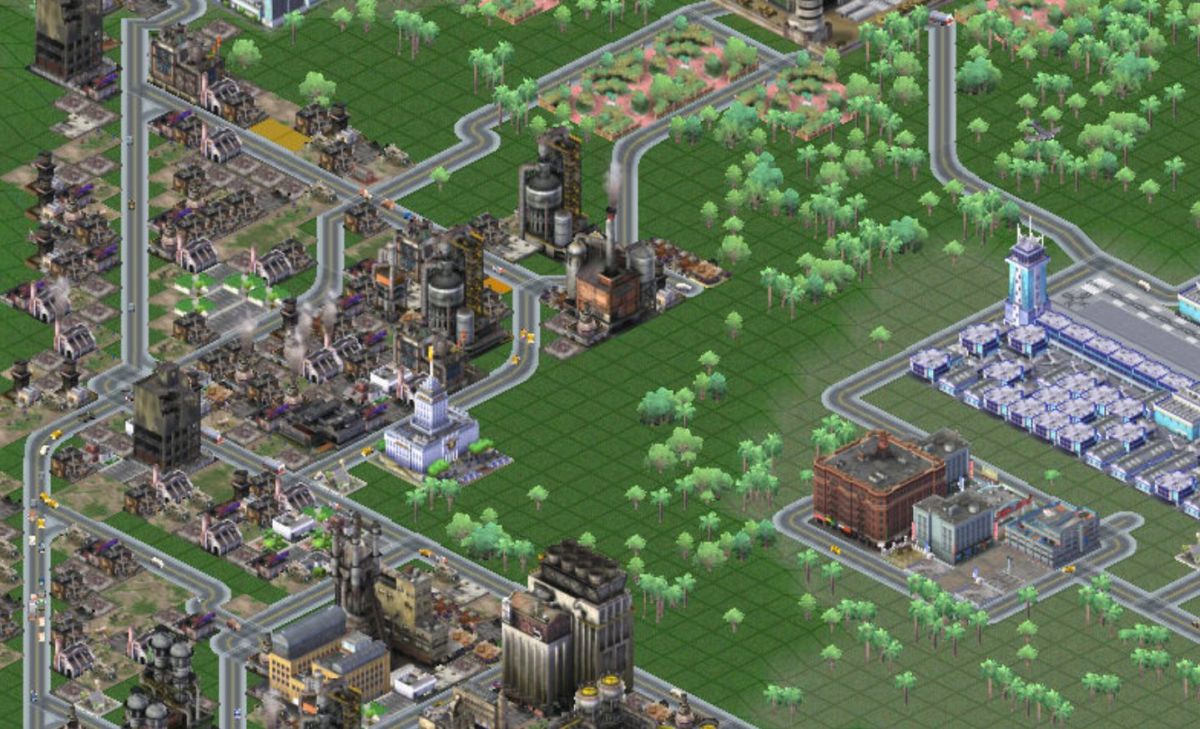
Imagine Cities: Skylines after nuclear winter. Surviving the Aftermath tasks you with rebuilding civilization from scratch. Resources are scarce, mutants roam, and every decision affects survivor loyalty.
Notable mechanics: - Colony specialization: Focus on science, defense, or resource extraction. - Exploration and events: Scout nearby ruins for tech boosts or trigger narrative-driven crises. - Disaster system: Solar flares, sandstorms, and plagues test your preparedness.
Drawbacks: - Base layout is grid-based, limiting creative freedom. - Late-game content feels repetitive without mods.
Start with a balanced colony. Over-investing in military early leaves you vulnerable to starvation when winter hits.
---
**6. Banished – Ruthless Medieval
Survival**
Banished strips away the glitz. No power grids, no sewage systems—just families trying to survive winter. Developed by a solo programmer, it’s a masterclass in minimalist design.
What makes it unique: - Population-driven economy: Each citizen consumes food, needs shelter, and ages realistically. - No military or trade: Pure focus on sustainability. - High difficulty: One bad harvest can collapse your entire town.
Challenges: - Interface feels dated. No built-in pathfinding or automation. - No victory condition—success is measured by longevity.
Common mistake: Planting too many orchards early. Fruit trees take years to mature. Prioritize farms and food storage.
---
**Choosing the Right Game for Your
Playstyle**
Not all city builders suit every player. Here’s a quick guide:
- For realism and detail: Cities: Skylines II or Anno 1800
- For narrative and tension: Frostpunk or Surviving the Aftermath
- For humor and politics: Tropico 6
- For minimalist challenge: Banished
Consider your hardware, too. Cities: Skylines II demands a strong GPU and 16GB+ RAM. Banished runs on almost anything.
---
**Common Pitfalls (And How to Avoid
Them)**
Even experienced players make mistakes. Watch out for:
- Overexpansion: Growing too fast drains funds and causes service shortages. Stick to a 10-15% population increase per in-game year.
- Ignoring traffic: In Cities: Skylines, traffic jams kill economies. Use one-way roads, roundabouts, and public transit early.
- Neglecting happiness: Unhappy citizens strike, lower productivity, or leave. Parks, healthcare, and education aren’t luxuries—they’re necessities.
- Poor resource buffering: Always stockpile 20–30% extra food and power. Emergencies happen.
Use save slots strategically. Name them “Pre-Disaster,” “Post-Expansion,” etc. It’s better than restarting from scratch when a plague hits.
---
**Final Thoughts: Build Smart, Plan
Ahead**
City building strategy games on PC offer some of the most fulfilling long-term gameplay in gaming. They reward patience, adaptability, and systems thinking. Whether you're managing a fragile post-apocalyptic commune or a thriving 19th-century empire, the core loop remains the same: anticipate problems before they arise.
The best way to improve? Play with constraints. Try a no-mods run. Limit your budget. Play on hard mode. These restrictions force creativity—and that’s where real mastery begins.
Pick one of the titles above, start small, and let your city grow from a cluster of huts to a beacon of civilization. The skyline is yours to shape.